How Do You Fix Indexing and Improve Conversion on Amazon?
Share the Post:
Many sellers assume traffic is their main problem. In reality, ranking instability, weak indexing, and low conversion rates are often the real constraints. Before increasing ad budgets, you need to understand whether your product is properly indexed and whether your listing converts at a competitive level.
Sustainable Amazon growth follows a sequence: fix indexing, improve conversion, then scale traffic.
What Is the Difference Between Indexing and SEO on Amazon?
Indexing determines whether Amazon associates your product with a search term. SEO influences how high your listing appears once that association exists.
If your ASIN does not appear within roughly the top 35 results for a priority keyword, or cannot be found several pages deep, that often signals indexing friction. Common causes include incomplete keyword integration, weak listing structure, catalog or subcategory mismatches, and backend setup errors.
Improving images or increasing conversion will not automatically push rankings higher if the keyword connection itself is weak.
The solution requires controlled adjustments. Change one meaningful element, observe ranking behavior over several days, then proceed with the next refinement. When sellers rewrite titles, backend fields, bullets, and images simultaneously, they lose the ability to diagnose which adjustment created impact.
Indexing provides structural eligibility. Conversion determines performance once traffic arrives.
How Do You Benchmark Keyword Performance Against Competitors?
Keyword benchmarking transforms assumptions into measurable comparisons.
Amazon’s Search Query Performance report shows click share, click-through rate, and conversion rate at the keyword level. This allows you to compare your performance directly against the market.
If your click-through and conversion outperform competitors for a keyword, increasing visibility through ads may compound gains. If your metrics lag significantly, you are likely hitting a ceiling unless listing improvements are made.
Data Dive’s Rank Radar supports this process by tracking daily keyword positions and showing how rankings move after listing or ad changes. Instead of checking performance sporadically, sellers can observe patterns over time and identify stagnation early.
When ranking stalls, the question becomes clear: is the issue indexing, conversion, or competitive pressure?
Without benchmarking, you cannot answer that accurately.
How Should You Manage Advertising During Competitive Periods?
Ad costs tend to rise during peak shopping cycles. Cost per click increases can compress margins quickly, especially when combined with discounts.
The mistake many sellers make is increasing bids out of urgency. A better approach is setting clear product-level profitability ceilings before campaigns begin.
Focus on TACOS or PTACOS at the product level. This provides a clearer picture of whether advertising supports overall profitability.
Monitor hourly budget pacing during major events. Strong campaigns should have sufficient allocation to remain active during peak traffic windows. Underperforming campaigns should be reduced or paused rather than funded emotionally.
Advertising amplifies what already converts. It does not rescue weak offers.
Which Deal Strategies Support Ranking Without Damaging Long-Term Profit?
Promotions increase visibility, yet they demand careful planning.
Lightning deals and badge discounts attract attention and drive velocity, though they reduce per-unit profit. If inventory levels run tight, draining stock for short-term ranking gains risks that can destabilize position.
In such cases, moderate ad pacing or incremental price adjustments may protect continuity.
Temporary margin compression can support ranking if gains persist after promotions conclude. Define acceptable thresholds before launching campaigns. Once profitability falls beyond that limit, corrective action protects long-term sustainability.
Strong operators coordinate discounts with inventory depth, ranking objectives, and post-event pricing resets.
How Should You Align Funnel Targeting With Conversion Goals?
During high-intent shopping periods, focus on buyers closest to purchase.
Prioritize:
High-intent non-branded keywords
Branded terms
Product attribute targeting
Upper-funnel awareness campaigns are secondary when the goal is immediate conversion efficiency.
Product type influences approach. Mid to high priced items benefit from clear positioning and polished presentation. Consumables can leverage Subscribe and Save to improve lifetime value.
Visual presentation influences decision speed. Bundles with clear themes often outperform single-SKU listings because they simplify choice.
The objective is traffic that converts efficiently.
How Do Attribution Windows and Inventory Influence Strategy?
Sponsored Products operate on a seven-day attribution window. Sponsored Brands extend to fourteen days. Spend data updates immediately, while revenue reporting can lag.
During active campaigns, monitor real-time sales while understanding that final attribution will settle later.
Inventory management must remain central. After promotions, reassess pricing and ad structure to restore margin balance. Certain categories experience strong seasonal carryover, so promotional periods can support demand beyond the event itself.
Inventory discipline protects rank stability.
How Does Data Dive Support Indexing and Ranking Strategy?
Data Dive’s Rank Radar provides daily keyword tracking and visibility into how ranking changes over time. When paired with Search Query Performance data, it allows sellers to evaluate whether listing adjustments produce measurable ranking movement.
Instead of reacting to ranking drops emotionally, sellers can diagnose whether:
Indexing gaps exist
Conversion strength is insufficient
Competitive entries are shifting the landscape
This structured visibility supports smarter allocation of ad spend and more precise listing improvements.
Confirm indexing coverage. Strengthen conversion performance. Benchmark against competitors. Allocate advertising within defined profit ceilings. Protect inventory continuity during promotional cycles.
When these components operate together, ranking becomes more stable and advertising decisions become calculated instead of reactive.
Sellers who treat indexing, conversion, and advertising as a coordinated system create durable performance. Those who rely primarily on traffic expansion encounter diminishing efficiency over time.
Sustainable Amazon success begins with structural integrity and measured execution. When the foundation holds firm, scale becomes controlled and repeatable rather than unpredictable.
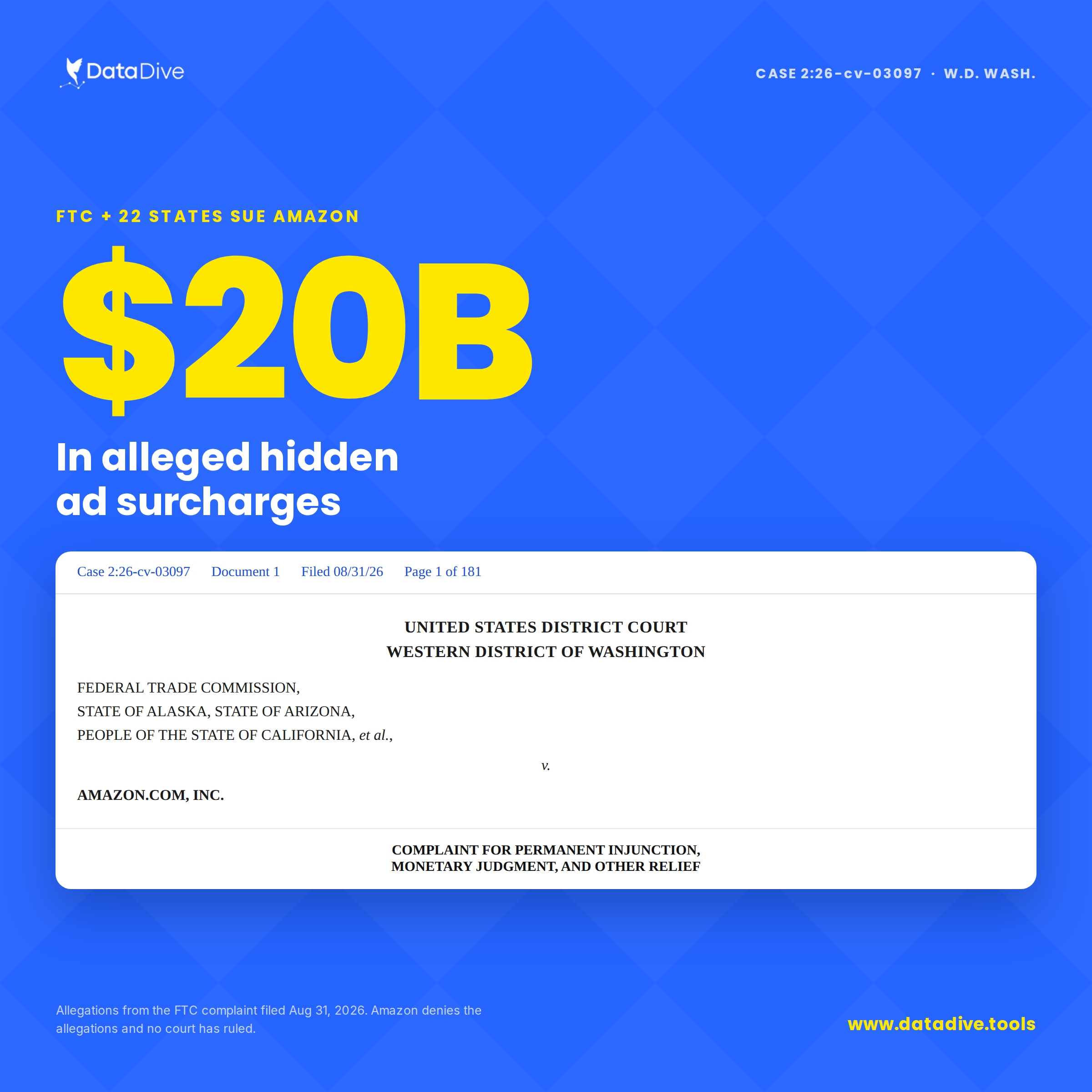
The FTC and 22 states allege Amazon hid surcharges in its advertising auctions for seven years. Amazon denies it. What the complaint says, and what Amazon sellers should do about it.