Maximizing Amazon PPC ROAS (return on ad spend) starts with control. Control over campaign structure, keyword selection, spend timing, and margin thresholds.
Many sellers increase bids and budgets before building the right foundation. Profit improves when structure comes first and scale comes second.
How toBuild Campaign Structure That Protects Margin
Clean ad campaign structure creates clean decisions.
Separate branded and non-branded campaigns. Branded traffic converts differently and requires independent budget control. Discovery traffic behaves differently and needs its own logic.
Divide campaigns by match type. Exact, phrase, and broad operate at different intent levels. Mixing them hides performance signals and limits bid precision.
Group products logically to maintain budget visibility. When multiple SKUs compete inside one campaign, it becomes difficult to see which product drives return.
For peak traffic windows, isolate campaigns so they can be activated or paused without affecting baseline data. Performance during these windows often differs from surrounding days.
How toManage Amazon PPC Keywords With Ranking Awareness
Keyword trimming requires measured evaluation.
Review click volume, conversions, and product margin before adjusting bids. High-margin products allow greater experimentation. Tight-margin products require disciplined thresholds.
Tier bids according to intent. Broad, generic keywords often carry elevated CPC with lower buying intent. Allocate smaller budgets to upper-funnel traffic and focus investment on high-intent exact terms that consistently convert.
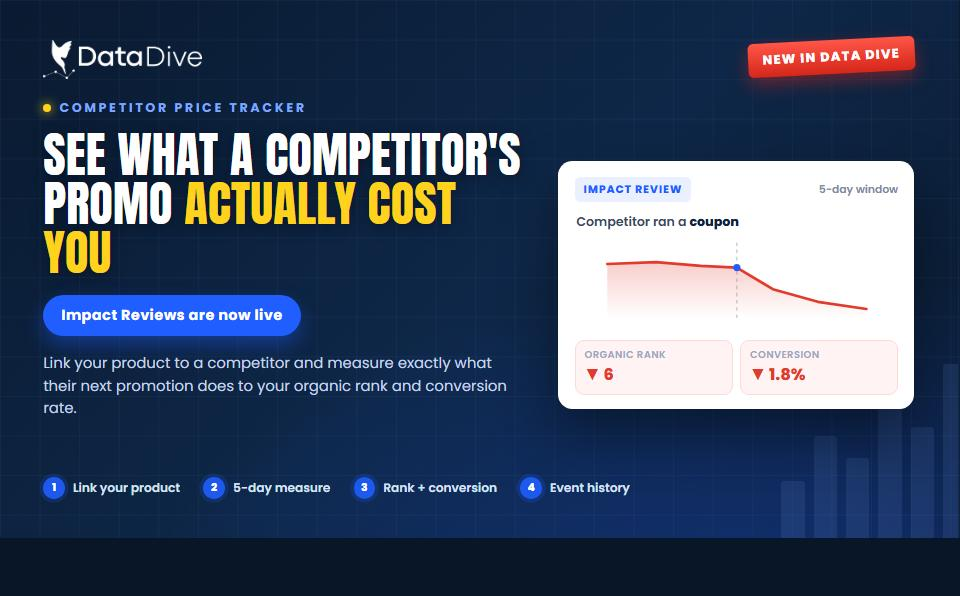
This is where Data Dive strengthens decision-making.
With Data Dive you can:
Confirm indexing for target keywords
Track organic rank movement over time
Identify keywords where PPC drives sales yet organic position remains weak
Conversion patterns fluctuate throughout the day. Many brands see stronger performance during core shopping hours.
Without automation, manual day parting becomes necessary. Adjust budgets in the morning, scale during high-conversion hours, and reduce exposure during weaker periods.
With automation platforms, create schedules based on each product’s historical performance window. Budget flows toward hours that justify spend.
Avoid automatic bid expansion during high-velocity days without review. Automated increases can inflate cost quickly without corresponding return. Conservative bid strategies provide stronger cost control.
Spend discipline protects contribution margin.
Defend Your Amazon Listings and Target Competitors
Defensive advertising protects product detail pages. Product targeting campaigns and sponsored display placements allow you to occupy more visual space across your listings.
Branded keyword bids should remain measured. Overspending on traffic already captured organically reduces efficiency.
Offensive strategy focuses on competitor ASINs. When your offer provides stronger value, strategic product targeting can redirect traffic effectively.
Complementary products require lighter bids due to lower purchase intent.
Margin discipline should guide every aggressive move.
Align Creative With Amazon PPC Conversion
Creative influences click-through rate and conversion rate directly.
Deal-forward messaging and value cues increase engagement when executed accurately. Any promotional visual must match the actual offer to prevent customer dissatisfaction.
Maintain a dynamic storefront with updated deals and best-sellers pages. When ad messaging aligns with landing experience, conversion strengthens and ad efficiency improves.
Creative consistency enhances profitability.
Middle- and bottom-funnel audiences convert more consistently than cold traffic.
Retarget shoppers who viewed products, added items to cart, or saved listings without purchasing. These segments demonstrate purchase intent and justify stronger bids.
Amazon Marketing Cloud enables advanced audience segmentation such as cart abandoners and high-engagement users.
Audience precision improves return.
Measure Profit at the Product Level
Return on ad spend provides direction, yet contribution margin determines sustainability.
Evaluate cost per conversion against product margin. During promotions, higher conversion rates can lower TACoS even when ad spend increases because greater sales volume distributes advertising cost more efficiently.
Data Dive connects PPC analysis with organic rank tracking. If paid investment strengthens keyword position, long-term revenue potential increases beyond immediate campaign metrics.
Advertising decisions should always align with margin thresholds.
Campaign structure must remain clean. Keyword adjustments must follow performance data. Spend must align with conversion timing. Defensive and offensive tactics must protect margin. Creative must reinforce value. Audience targeting must prioritize intent.
Most importantly, PPC performance must connect with indexing and organic ranking insights through tools such as Data Dive.
When paid and organic data operate together, advertising becomes part of a coordinated growth engine.
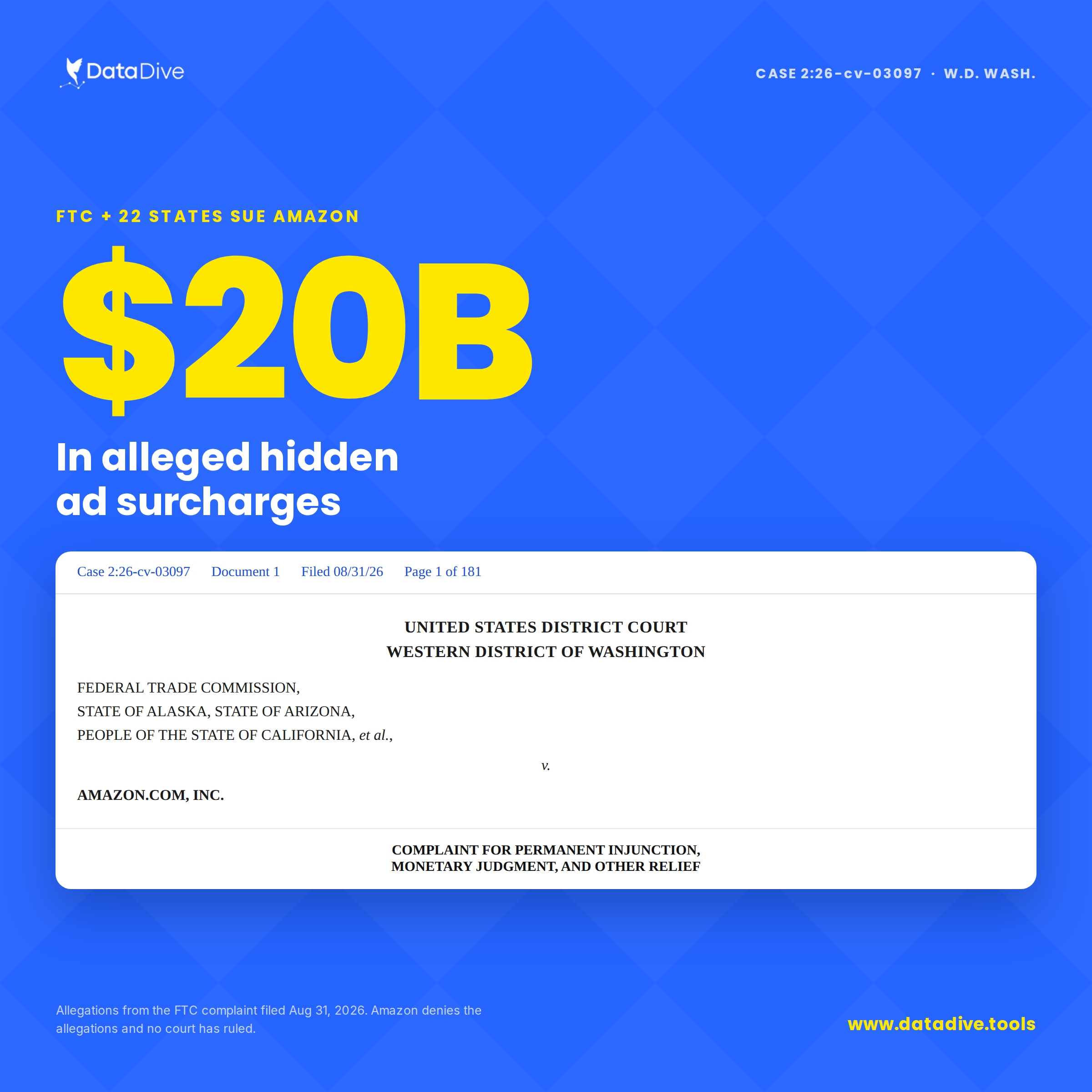
The FTC and 22 states allege Amazon hid surcharges in its advertising auctions for seven years. Amazon denies it. What the complaint says, and what Amazon sellers should do about it.